
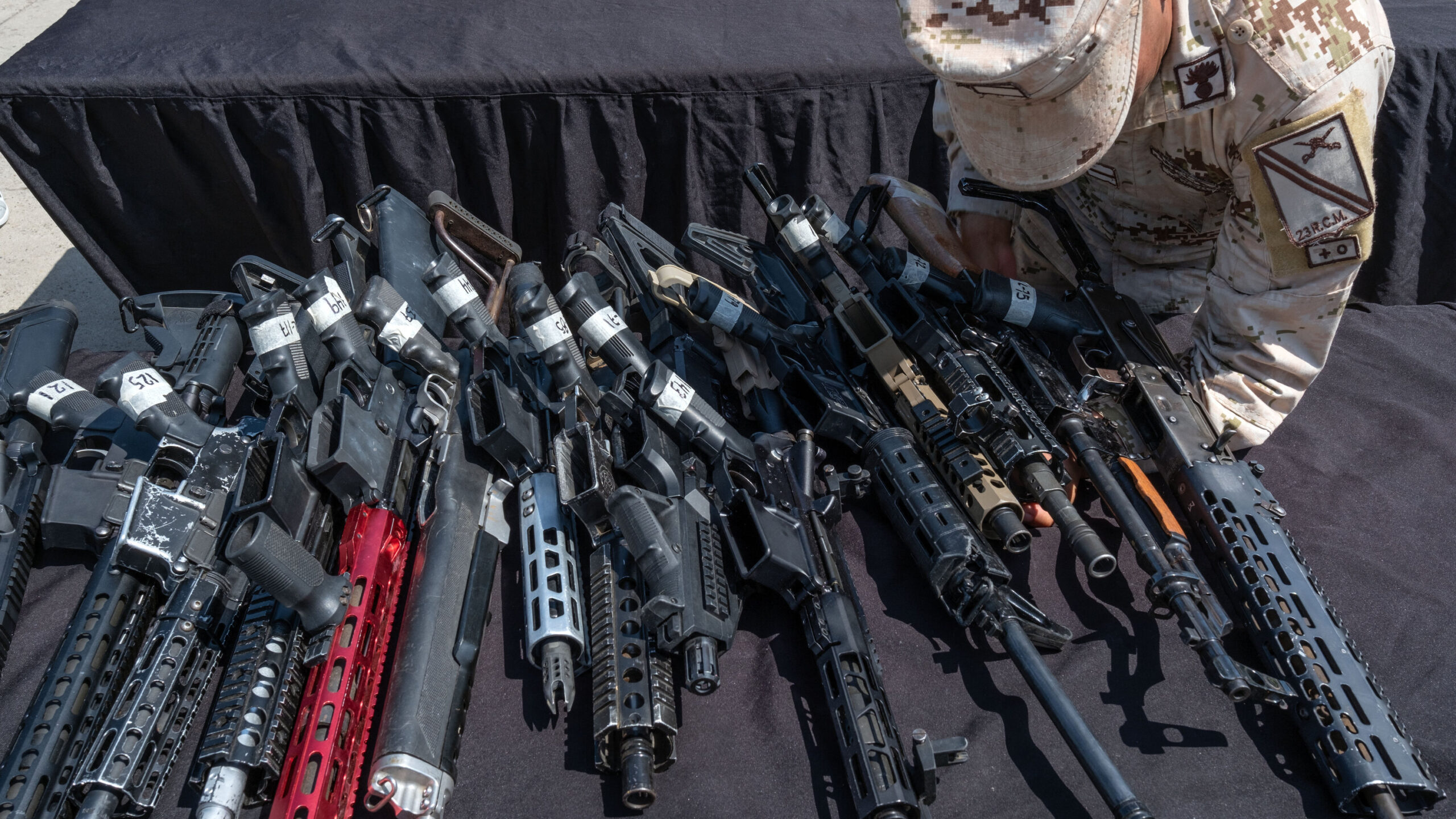
SCOTUS Wipes Out Mexico’s Lawsuit—Ripple Effects for AR-15 Bans Nationwide
On June 5, 2025, the U.S. Supreme Court delivered a unanimous opinion in Smith & Wesson Brands, Inc. v. Estados Unidos Mexicanos, tossing out Mexico’s bid to hold American gun manufacturers liable for cartel violence. Justice Elena Kagan’s opinion didn’t just reaffirm the PLCAA; it flat-out stated that AR-15s and AK-style rifles are “widely legal and bought by ordinary consumers”—language now echoing through federal courts weighing state assault-weapon bans.
1. Mexico v. U.S. Gun Makers: The Quick Recap
Mexico alleged that U.S. companies “aided and abetted” gun trafficking. SCOTUS disagreed, citing PLCAA’s shield against suits stemming from criminal misuse of firearms. The takeaway: manufacturers can’t be sued for lawful sales.
2. Why the Decision Matters Beyond the Border
- Common-Use Confirmation ⬆︎ – Kagan emphasized AR-15s are the “most popular rifle in the country,” undercutting state claims that they’re “unusual.”
- PLCAA Stands ✊ – The Court reinforced Congress’s intent to protect the firearm industry, making copy-and-paste liability schemes a dead end.
- Blueprint for Injunctions 🚀 – Plaintiffs in ongoing AWB cases now cite Smith & Wesson to demand immediate relief.
3. Connecticut’s Grant v. Lamont: Back in the Spotlight
Within days of the ruling, attorneys for Grant v. Lamont (challenging Connecticut’s AR-15 and magazine ban) fired a letter to the U.S. Court of Appeals for the Second Circuit arguing that SCOTUS has essentially decided the “common-use” question. If the court agrees, an injunction could halt enforcement of the ban while the case proceeds.
4. DOJ’s Surprise Amicus Brief Against Illinois’ AWB
The U.S. Department of Justice just filed a 27-page amicus brief in the Seventh Circuit’s Illinois assault-weapons case, declaring the state’s ban violates the Second Amendment
because it outlaws arms in common use by law-abiding citizens
. It directly cites Heller, Bruen, and the fresh Smith & Wesson language.
Key Nuggets from the DOJ Brief
- AR-15s are not “especially or uniquely dangerous” compared with other semi-autos.
- Standard-capacity magazines fall squarely under Second Amendment protection.
- Bans on commonly owned firearms fail both text-and-history scrutiny.
5. What Happens Next?
- Second Circuit Decision Imminent – A ruling on the Grant v. Lamont injunction could arrive any week. If granted, Connecticut’s AWB enforcement pauses statewide.
- Seventh Circuit Oral Arguments – Expect Illinois’ case to accelerate, with SCOTUS likely watching.
- Legislative Pushback – Anti-gun states may pivot to alternative restrictions (registration, excise taxes, etc.)—and those will face fresh legal fire.
6. Practical Takeaways for Gun Owners
- SCOTUS just strengthened the legal firewall around firearms in common use.
- State AWBs now rest on shakier ground; monitor your local litigation.
- Support organizations financing these challenges—court battles aren’t cheap.
Frequently Asked Questions
Does the SCOTUS ruling automatically overturn state assault-weapon bans?
No. The decision addresses liability, not outright bans, but its “common-use” language gives plaintiffs powerful ammunition to seek injunctions against AWBs.
What is PLCAA and why does it matter?
Passed in 2005, PLCAA shields gun makers and dealers from lawsuits over criminal misuse of their products. SCOTUS relied on PLCAA to dismiss Mexico’s suit.
Could Illinois or Connecticut rewrite their bans to survive court scrutiny?
They might try, but any law banning commonly owned firearms or magazines faces the same “text, history, and tradition” test laid out in Bruen.
Final Word
From a unanimous Supreme Court rebuke to a DOJ about-face, the legal tide is turning. Whether you live in Connecticut, Illinois, or another restrictive state, the fight over AR-15 ownership is reaching a tipping point. Stay informed, stay engaged, and watch the courts—big changes are coming.